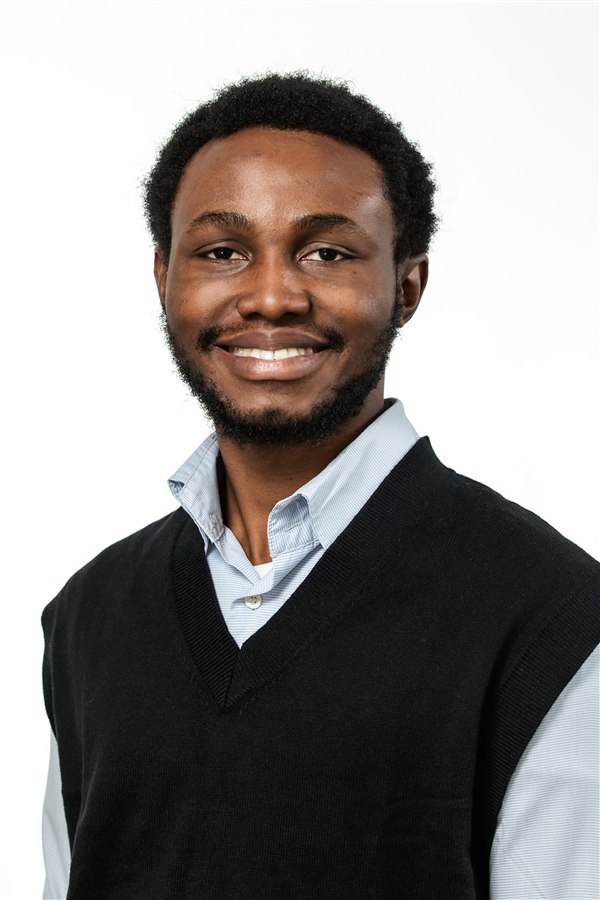
About me
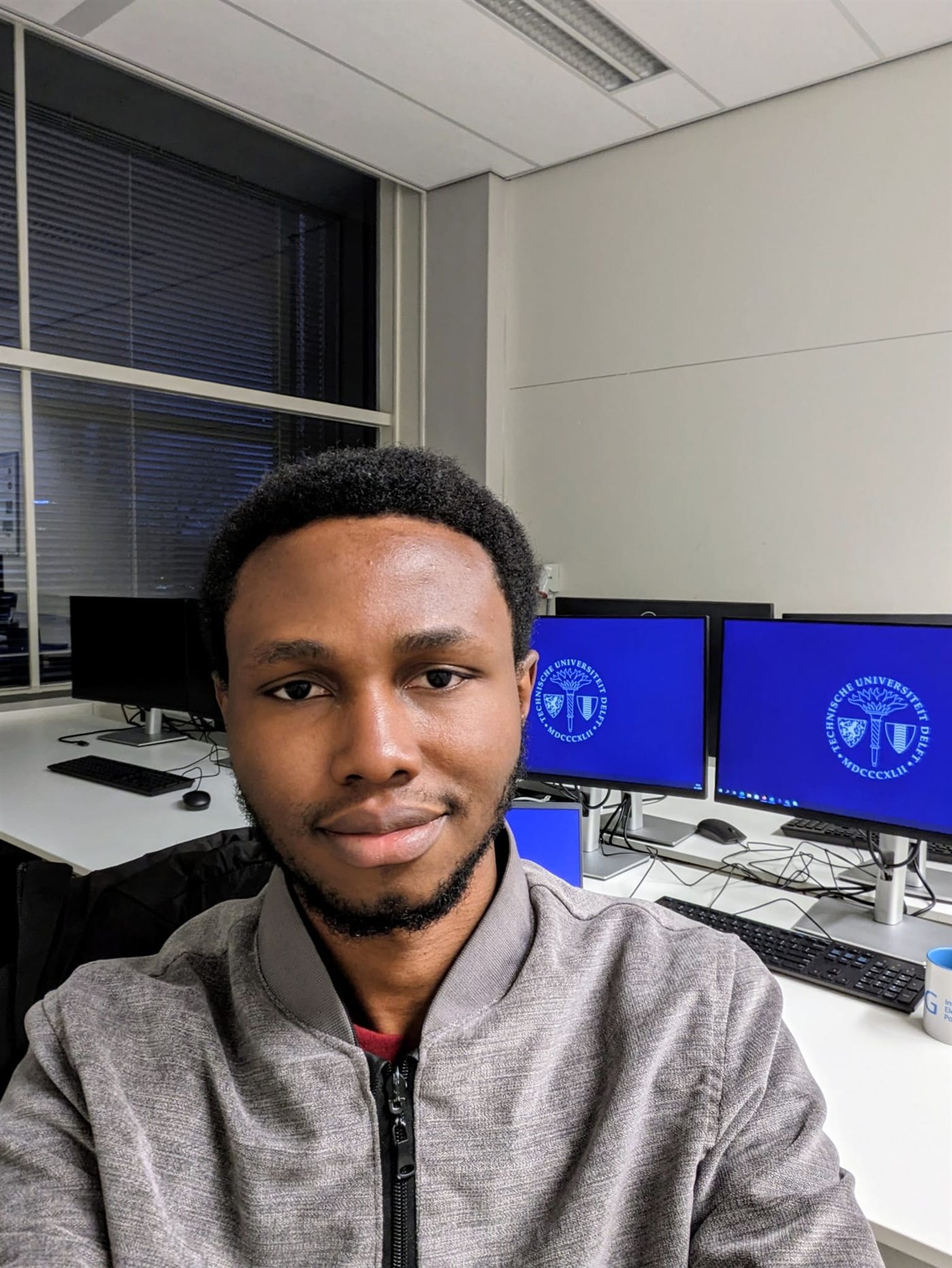
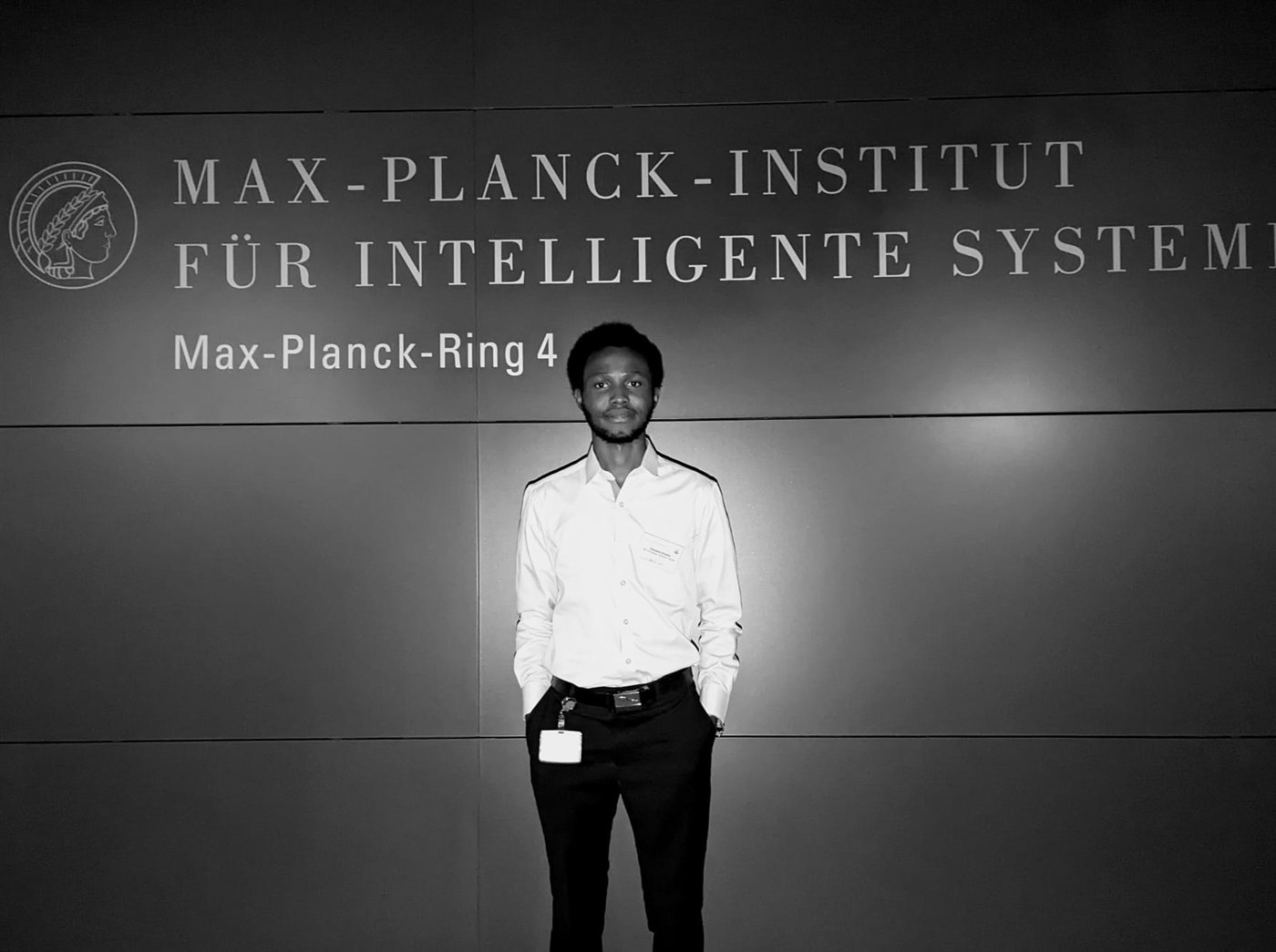
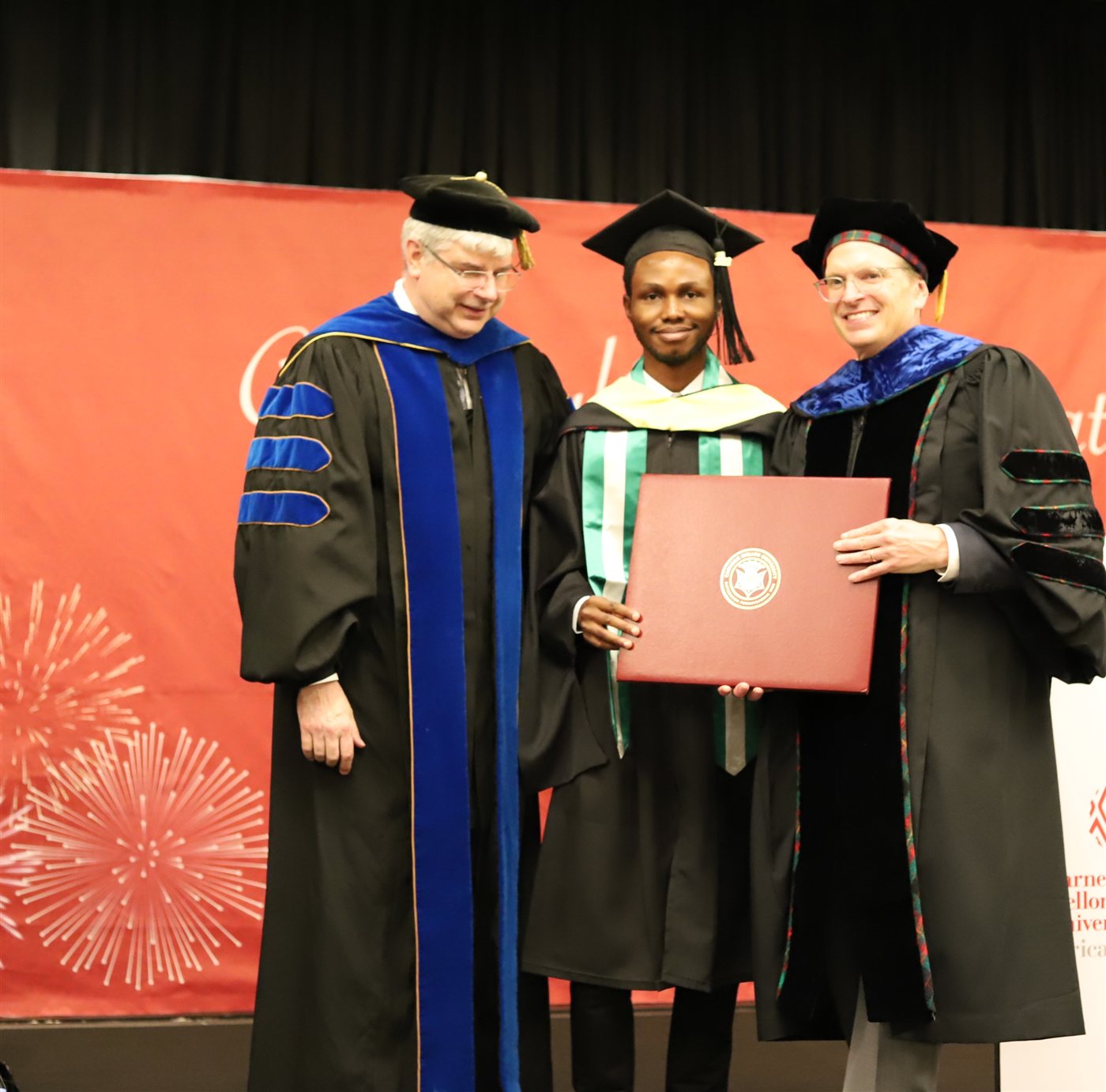
I am a final-year PhD candidate in the Intelligent Electrical Power Grids (IEPG) group at Delft University of Technology, and a member of the Delft AI Energy Lab, supervised by Dr. Jochen Cremer. Before my PhD, I received an MS in Electrical and Computer Engineering from Carnegie Mellon University (2022) and a B.Sc. in Electrical and Electronic Engineering from University of Ibadan (2020). I completed a research internship at the Max Planck Institute for Biological Cybernetics in Tübingen, where I worked on data-driven tracking algorithms for a novel microscope in the RoLi Lab. I am broadly interested in machine learning for complex physical systems and I have served as a technical reviewer for publications including IEEE Transactions on Power Systems, Elsevier EPSR and ACM e-Energy.
Outside of work, I enjoy cycling and watching football.
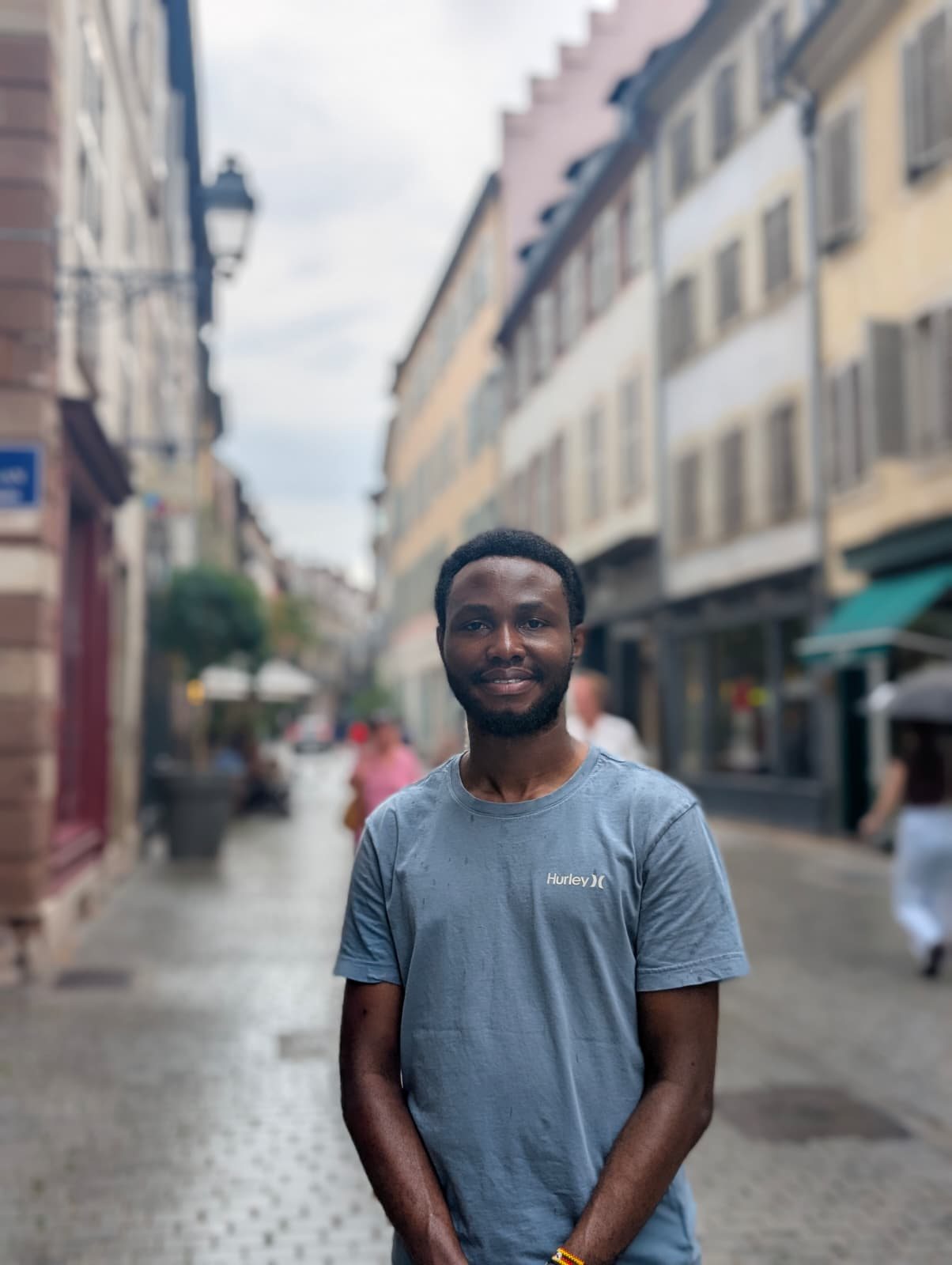
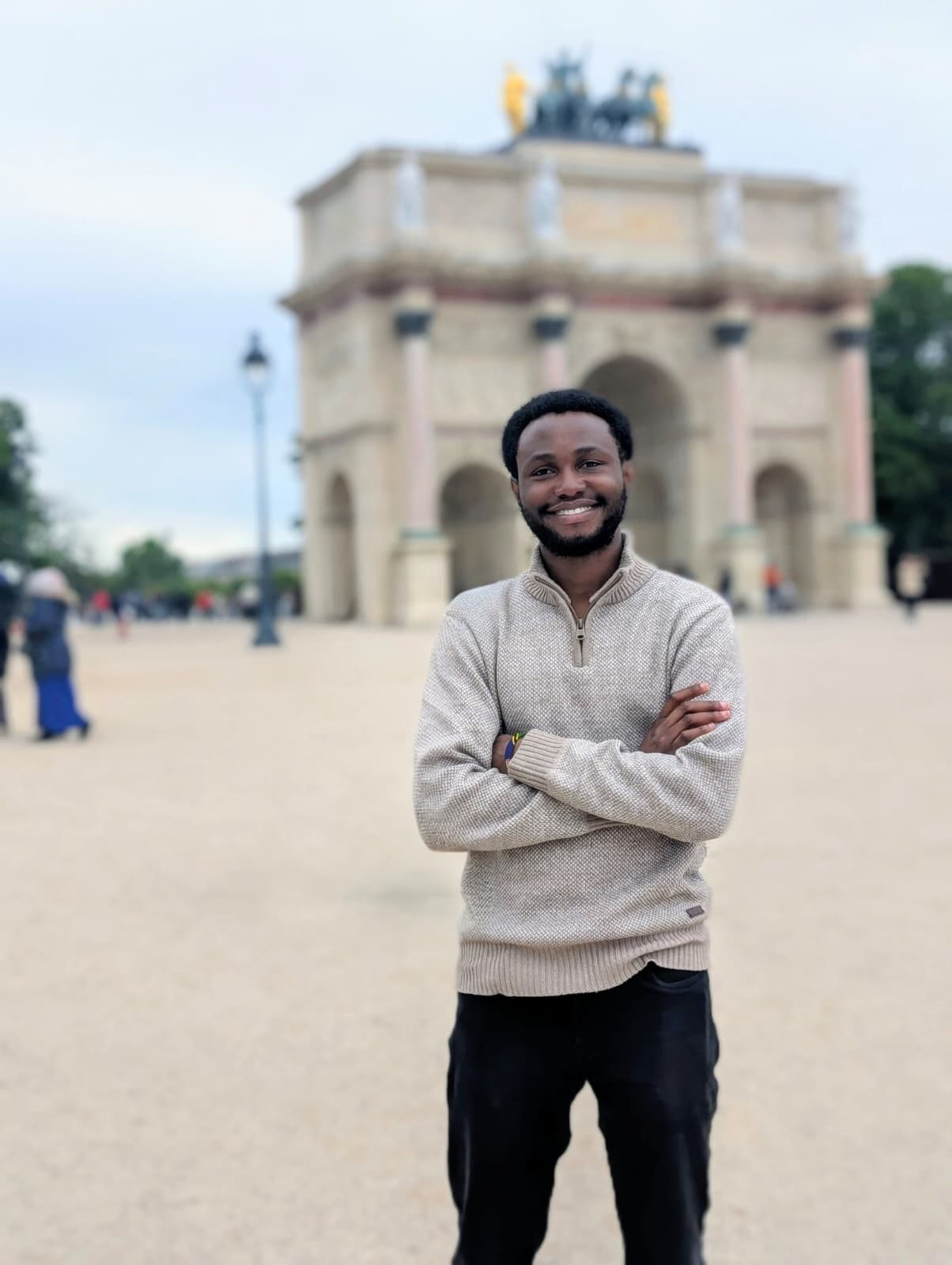
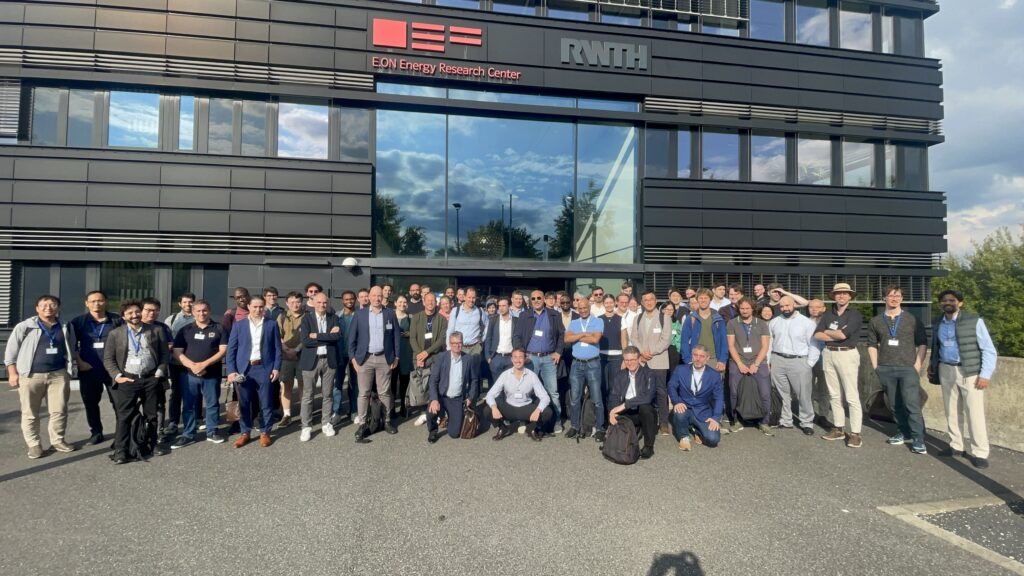
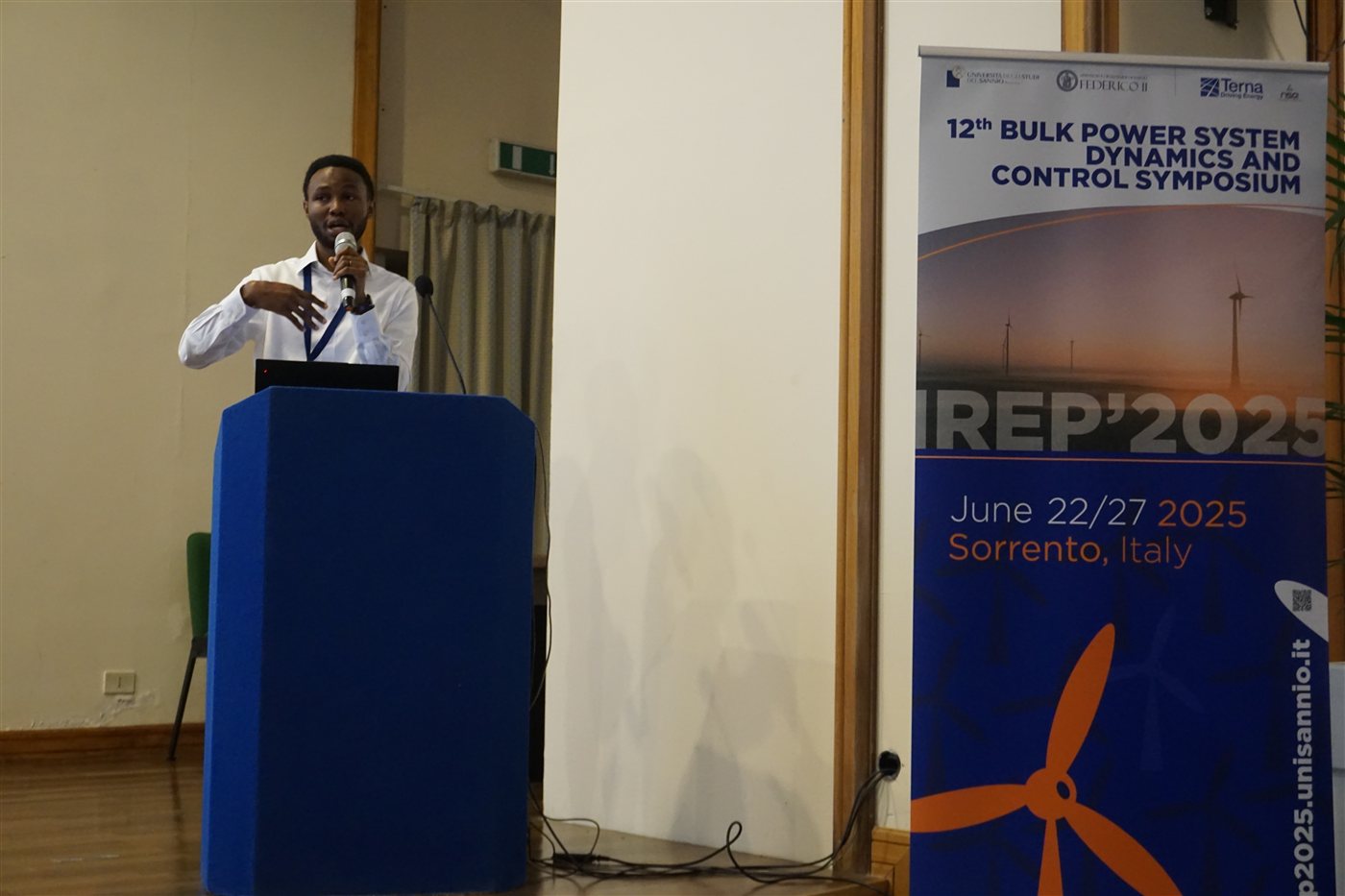


Research
My research develops machine learning (ML) methods for the operation of electrical power grids, with a focus on generalization of ML models. Power grids are large and complex systems, constantly subjected to changes in operating conditions and network configurations. Power grids are also arguably the most safety critical infrastructure in the world, with reliability and safety of paramount importance. Naturally, these conditions create new challenges for applied machine learning in power grids, different from language, vision and biology domains. In my research, I explore the use of graph neural networks (GNNs), a class of models that can exploit the grid structure to learn models that generalize across operating conditions and network topologies. I have applied GNNs and other ML methods to computational problems in power grid operation:
- AC optimal power flow — GNNs that generalize across grid topologies and operating points (Energy and AI, 2026; ISGT Europe 2025)
- Time-domain simulation and Dynamic security assessment — machine learning surrogates that accelerate the simulations grid operators rely on (SEGAN, 2025; SSRN Preprint)
- Stochastic scheduling and optimization — learning-accelerated optimization method for stochastic power system scheduling (IEEE Transactions on Sustainable Energy, 2025)
Open to job opportunities
I will complete my PhD soon, and I am open to research scientist, machine learning engineer, and postdoctoral positions in both industry and academia — anywhere machine learning meets energy systems, dynamic simulation, or large-scale optimization. My day-to-day toolkit is Python, PyTorch, and PyTorch Geometric, alongside power-system simulation tools.
Please reach out via email or LinkedIn, and see my CV and publications.